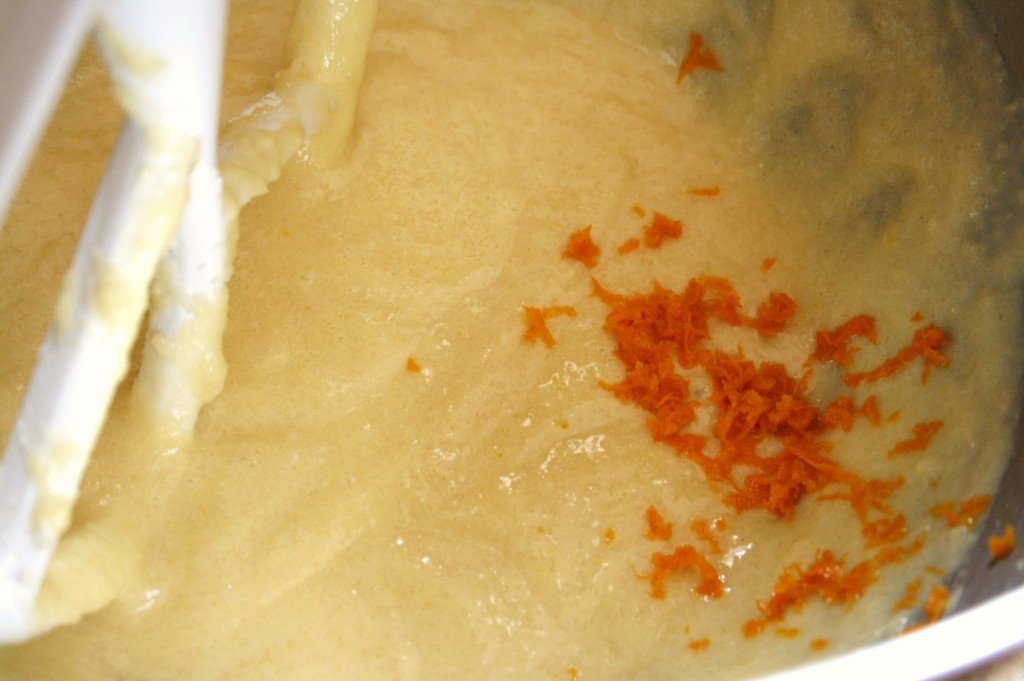
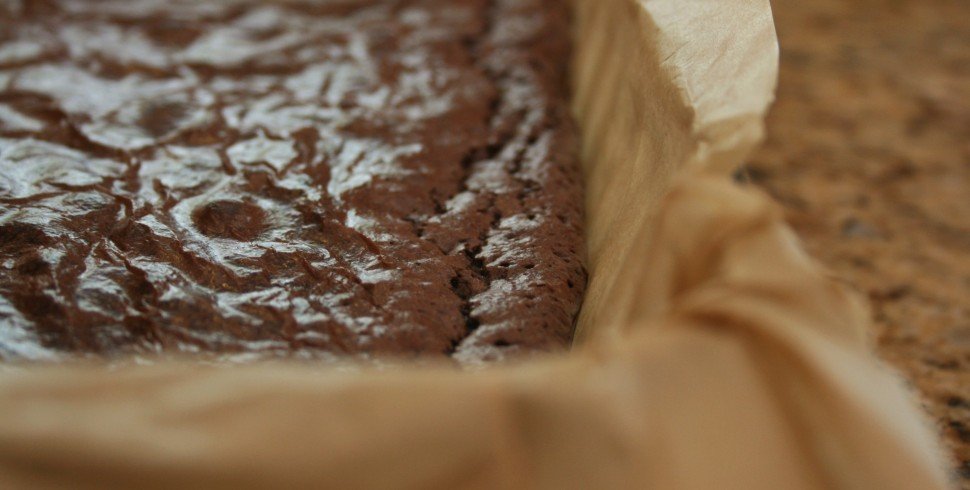
Frangipane, also know as frangipani in Italian and crème frangipane in French, is as rich and velvety as it sounds. It is an almond [glossary_exclude]pastry cream [/glossary_exclude]that is used as a filling in tarts, cakes and assorted pastries. It is comprised of creamed butter and sugar, with eggs and finely ground almonds added in. The term can be used to refer to both the almond cream itself or the pastry that is filled with it.
While most pastry terms reflect a characteristic of the substance or technique they refer to, that is not the case in this instance. This anomaly was enough to spark my curiosity and set me on a search of the origins of this delectable cream. I soon discovered that my culinary hunch was correct, and this mystery took on a life of its own. I learned that the word frangipani itself is actually derived from the Italian phrase “frangere il pane,” which means “bread-breakers.” One legend states that this name was bestowed upon a noble Italian family in the 11th century for their generosity in distributing bread to the poor during a time of great famine. Sifting through the lore of this lusciousness, I came upon two possible origins of the almond cream moniker. Both of these deliciously savory stories feature members of the Frangipani family.
One such account of the origin of frangipane features the Italian noblewoman and member of the Frangipani family, Jacopa da Settesoli, and St. Francis of Assisi. Upon meeting St. Francis, Jacopa became a follower and benefactor of his, and was so moved by St. Francis that she spent the remainder of her life in service to him and others in need. St. Francis had given Jacoba the title of “Brother” in gratitude for her service and determination, a title that allowed her entry into the friary to visit with the dying St. Francis at a time where women were forbidden to enter. It was said that St. Francis requested her appearance at his death bed and asked that she bring with her an almond sweet that she had made him during one of his visits to her in Rome. While it is believed that he was too ill to consume it, this sweet nonetheless became known as frangipani.
Another account is that this almond cream’s namesake was a 16th century Italian nobleman living in Paris by the name of Marquis Muzio Frangipani. Frangipani was the inventor of a popular accessory of the time, a bitter almond perfumed glove, said to have been worn by Louis XIII. It is believed that in order to capitalize on the popularity of these almond scented gloves, pâtisseries flavored [glossary_exclude]pastry cream[/glossary_exclude] with almonds and called it “frangipane.”
The following is my recipe for this delightful filling.
Ingredients:
1 cup (114 grams) finely ground whole blanched almonds or almond flour (preferably organic)
½ cup (100 grams) granulated sugar
3 tablespoons (30 grams) King Arthur’s unbleached all-purpose flour
¼ teaspoon salt
4 tablesoons ½ stick (57 grams) Lurpak, or any European style, unsalted butter, softened
2 large organic farm fresh eggs
Zest of 1 organic tangerine
How to Use Them:
Process whole almonds or almond flour until finely ground. It is wise to use the pulsing method for processing the almonds to avoid over-grinding them into an almond paste.  Use the creaming method to beat the softened butter and sugar for 2 minutes on medium speed in a stand mixer fitted with paddle attachment, if using a hand held mixer add 2 additional minutes.
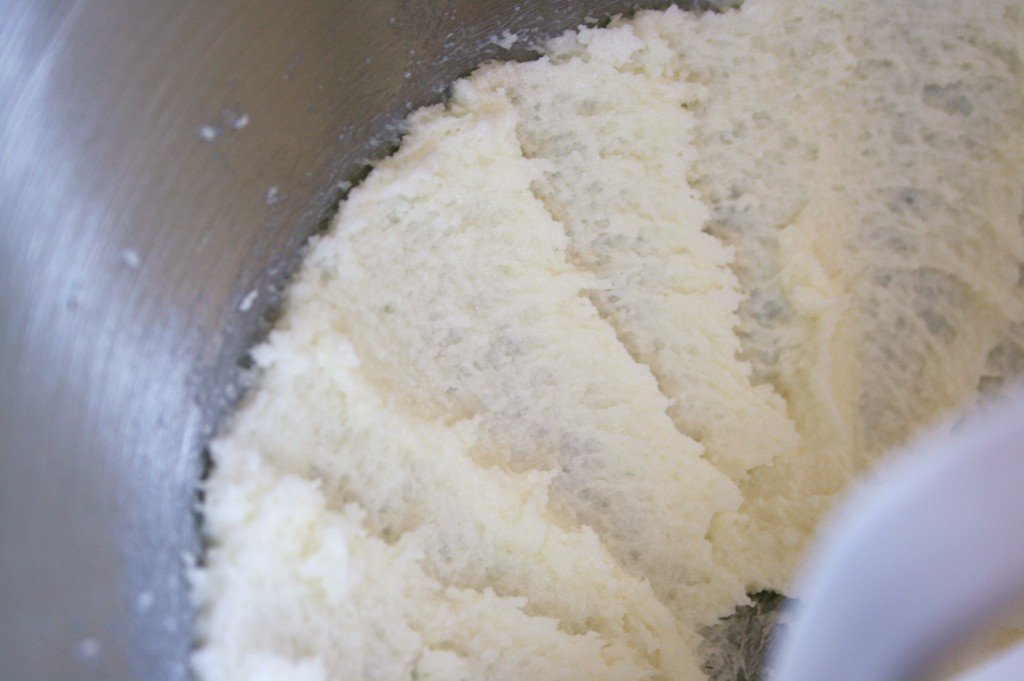 Add the ground almonds and beat on medium speed until blended, approximately 1 minute. Scrape down the sides of the mixing bowl.
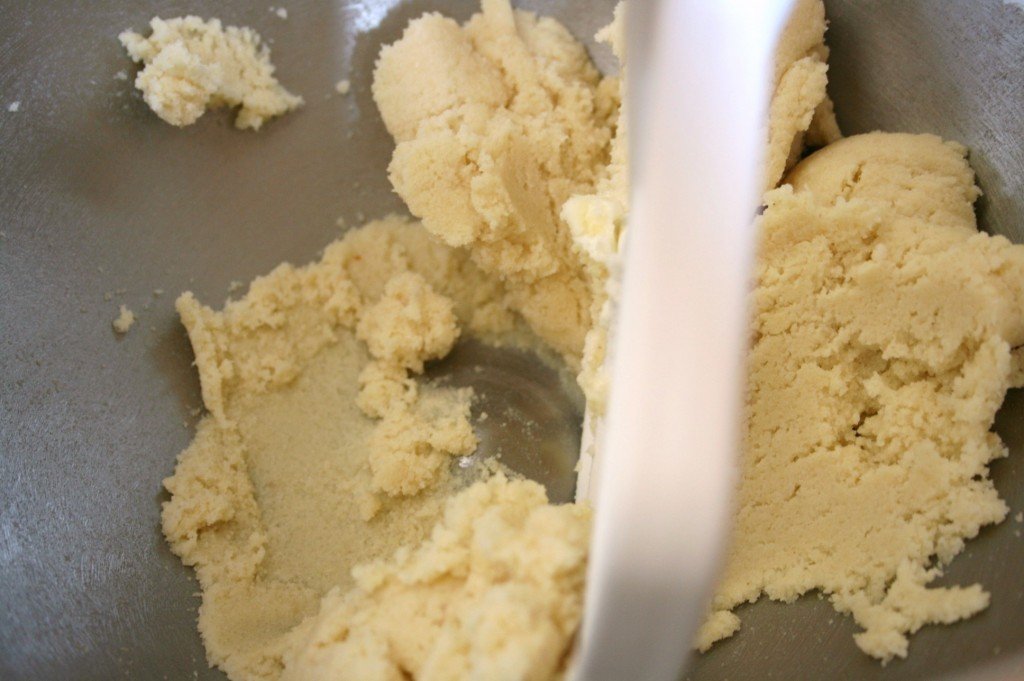 Break the eggs in a separate bowl and add the eggs one at a time on medium-low speed, beating well after each addition.
 Scrape down the sides of the mixing bowl and add the 3 tablespoons of flour. Beat on low speed until just incorporated, approximately 1 minute.
 This frangipane is now ready to be used as is or flavored as your favorite tart or pastry recipe calls for. This mixture can be stored in an airtight container and refrigerated for up to a week.